 Solar power is converted into electricity through a process called photovoltaic (PV) conversion. Here’s a step-by-step breakdown of how solar power is converted into usable electricity:
 Solar power is good for the environment due to the following reasons:

 The power output of a solar panel depends on several factors, including the panel’s efficiency, size, sunlight conditions, and temperature. Typically, solar panels are rated based on their maximum power output under standard test conditions (STC), which assume a temperature of 25°C (77°F), sunlight intensity of 1000 watts per square meter, and specific angles of sunlight incidence.
On average, a standard residential solar panel has a power rating ranging from 250 to 400 watts. However, it’s important to note that this rating represents the panel’s peak capacity under ideal conditions, which is not always achievable in real-world scenarios.
The actual power produced by a solar panel can vary based on the following factors:
To determine the actual power production of a solar panel in a specific location, factors like geographical location, local weather patterns, and the tilt and orientation of the panels need to be considered. Solar installers can provide estimates based on these factors and conduct a detailed analysis of your site’s solar potential.
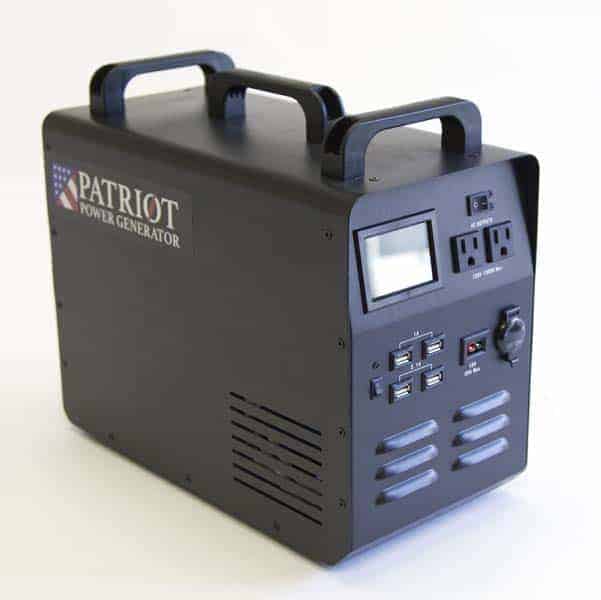
By combining multiple solar panels in an array or system, you can increase the overall power production. This allows for customization according to energy needs, whether it’s for portable generators, residential use, or larger-scale applications such as solar farms.

Solar power can feed back into the grid through a process known as net metering or feed-in tariffs, depending on the specific policies and regulations in place in a given location. Here’s how solar power feeds back into the grid:
The specific policies and regulations related to net metering and feed-in tariffs can vary depending on your location. Some regions provide monetary credits for excess electricity exported to the grid, while others offer fixed feed-in tariffs that incentivize solar power generation. It’s important to consult your local utility company or a solar professional to understand the specific regulations and benefits available in your area.
By feeding solar power back into the grid, individuals and businesses can contribute to the overall renewable energy generation, reduce their electricity bills, and promote a more sustainable and resilient energy system.
Learn more about net metering here.